
Safety Concerns and Staffing Pressures in the UK Probation Service
Concerns about probation officer safety, staffing shortages and increasing workload pressures are being raised across the UK probation service. Frontline practitioners report that high caseloads, limited security arrangements and rising workplace pressures are affecting both staff wellbeing and the conditions in which probation officers carry out their duties. These concerns raise an important question for the justice system: can probation officers continue to provide fully independent and objective assessments when working under increasing strain?
Probation officers play a critical role within the criminal justice system. Their assessments and reports influence sentencing decisions, licence conditions, parole outcomes and risk management strategies for individuals who may present a high or very high risk of serious harm. These recommendations must always remain objective, evidence-based and professionally independent. However, many practitioners report that the environments in which they operate are placing increasing strain on staff.
Concerns about safety are not theoretical. Incidents involving threats, intimidation and physical assaults against probation staff have been reported for many years. One of the most widely reported cases occurred in 2025 at Preston Probation Office, where a probation officer was stabbed during an appointment with an offender who had brought knives to the meeting. The officer suffered life-threatening injuries and required extensive hospital treatment. Incidents like this have intensified debate about whether existing safety protections are sufficient.
Safety concerns also arise in prison settings. Since the Covid pandemic, many parole hearings continue to be conducted remotely using video technology. In some cases, however, probation staff acting as Prison Offender Managers are expected to sit alone in a room with prisoners during the hearing. Many of these prisoners are assessed as presenting a high risk of serious harm, and parole hearings themselves can be stressful and emotionally charged situations.
Although staff may receive conflict management training and have access to radios or alarms, some practitioners report feeling exposed in situations where they have limited control over the environment or security arrangements. Immediate and visible safety measures, such as the presence of security staff on site, may help reassure frontline practitioners and reduce risks during appointments and hearings.
These challenges are taking place at a time when the probation service is also facing significant staffing pressures. Many officers are responsible for large caseloads and complex risk management responsibilities. When staff are stretched across too many cases, it becomes increasingly difficult to dedicate the time and focus required for effective supervision and meaningful rehabilitation work with people on probation.
Frontline staff emphasise that safety and workload pressures are closely connected. When officers feel unsafe, unsupported or overwhelmed by workload, this can affect morale, wellbeing and the ability to exercise professional judgement with confidence and independence.
These concerns are also reflected in wider discussions among frontline staff. A recent social media discussion involving probation practitioners generated more than 100 comments from staff sharing their experiences and concerns about safety, workload and working conditions. While social media discussions cannot replace formal data or research, they provide insight into the issues currently being raised by practitioners across the service.
https://www.facebook.com/100064756954671/posts/pfbid02TsqJ5Q1jDD5kbVFGEd7dZv73EwBGjvXeTdJ6BUvpsSNP6Wt95VG4srVknamfAfMhl/
Some improvements have been introduced in parts of the service, including additional training, new safety equipment and pilot security measures in certain offices. These steps are welcome, but many practitioners believe that consistent national safety standards are still needed across probation offices, Approved Premises and prison settings.
Practical improvements could include controlled interview rooms, functioning alarms, CCTV coverage, appropriate security procedures and, where necessary, the presence of trained security staff. Regular conflict management and personal safety training should also remain an important part of staff preparation for challenging situations.
As these concerns continue to be raised by frontline staff, there is an opportunity for constructive collaboration. Trade unions, staff representatives and HM Prison and Probation Service should work together to listen to staff experiences and identify practical solutions that can improve safety, working conditions and professional independence.
The probation profession carries immense responsibility for public protection and rehabilitation. Ensuring the safety and wellbeing of those who carry out this work is not simply an employment issue. It is essential for maintaining confidence in the justice system and ensuring that probation officers can continue to make fair, objective and independent decisions in the public interest.
UKPS Network Team
Supporting Young People Joining the Prison Service
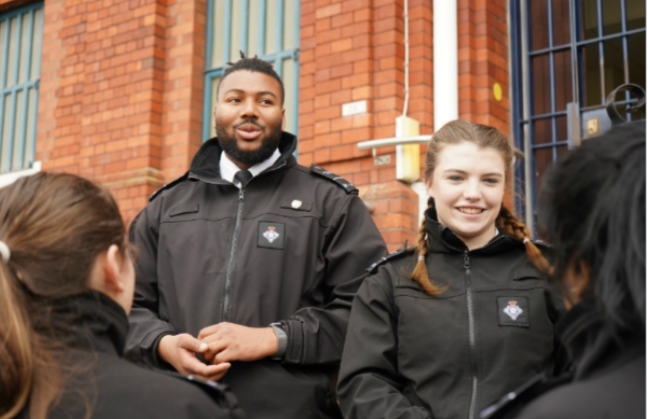
National campaigns on radio and TV are encouraging young people, especially university leavers, to consider a career in the prison service. This is an important step for bringing fresh talent and new ideas into our workforce.
UKPS Network Team
Corrupted Prison Officer Sentenced

We are sorry to inform that once again one of us has been sentenced for corruption, betraying colleagues and letting down the whole service. Stories like this are never easy to post. We know there are many women working across our service who carry out their duties with professionalism and pride every single day. They represent the very best of what the job stands for, and cases like this should never define them.
UKPS Network Team
Prison Escorts: The Hidden Duty of Prison Officers

When people think about the role of a prison officer, most imagine staff working inside the prison walls—supervising wings, maintaining order and managing daily routines. In reality, the job extends far beyond the gates. Every single day across the country, prison officers carry out prison escorts, one of the least visible but most demanding parts of the role. Escorts may involve taking prisoners to court, hospital appointments, transfers between establishments, or responding to medical emergencies where officers accompany prisoners in ambulances under blue lights. These duties take staff out of the controlled prison environment and into public spaces where security, professionalism and awareness must always be maintained.
Howard League for Penal Reform Raises Concerns — But Staff Safety in YOIs Must Be Part of the Conversation
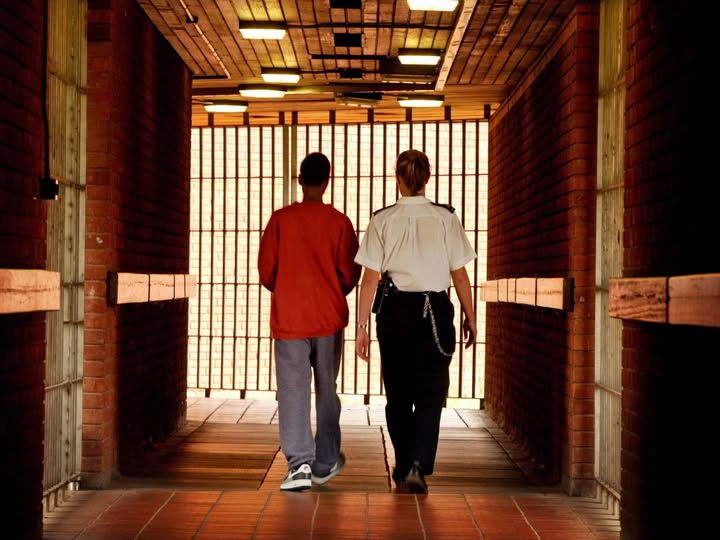
The recent commentary and reporting from the Howard League for Penal Reform again highlights serious concerns about conditions, education provision and the welfare of children held in custody. Their focus on safeguarding, purposeful activity and rehabilitation is important. Every professional working in youth custody understands that children in Young Offender Institutions (YOIs) must be treated with dignity and given real opportunities to change.
UKPS Network Team