
Right to Strike, Rights to Dignity: Pressure Builds on UK Government

The European Committee on Social Rights has ruled that the ban on prison officers in England, Wales and Northern Ireland taking industrial action breaches their human rights. The decision follows decades of campaigning by the Prison Officers’ Association (POA), which has fought to restore the right to strike since it was removed under the Criminal Justice and Public Order Act 1994.
More than 30 years on, the issue remains unresolved. Despite a commitment from the Labour government under Tony Blair, the right was never reinstated. Scotland restored it in 2015, and notably, no days have been lost to industrial action since—challenging long-standing concerns about disruption.
A Fight That Never Ended
The POA has been pursuing this issue since 1994, but the challenge is complex. Prison officers are often treated as holding powers similar to police constables, which has been used to justify restricting strike action. This creates a clear imbalance: officers carry significant responsibility and risk, yet lack the tools to negotiate effectively.
What Are Unions Fighting For Today?
The right to strike is only part of the wider issue. Pension reform has become a key concern, with officers currently expected to retire at 68. There are growing calls to reduce this to 60, reflecting the physical and mental demands of the role.
Without the ability to take industrial action, meaningful negotiation becomes increasingly difficult. For many, the right to strike is not the objective itself, but the leverage required to secure fair conditions.
Current Reality: Pay, Benefits and Retention
Today’s benefits package remains limited:
25 days’ annual leave (rising to 30 after 10 years)
Public holidays plus one additional privilege day
Civil Service pension (28.97% employer contribution)
Cycle to work scheme and travel loans
While these provisions may appear reasonable, they do not reflect the risks and pressures of the job. In the past, officers benefited from accommodation support, overtime payments, and stronger financial incentives—many of which have now disappeared.
As a result, retention is a growing concern. Where the prison service was once a long-term career, many new recruits now leave within one or two years. Stress, safety concerns, and limited incentives are frequently cited, while the current offer struggles to attract and retain experienced staff.
A Role Defined by Risk and Responsibility
Prison officers work in a demanding and often hostile environment. They manage individuals who may be violent, unpredictable, or serving long-term sentences, while also supporting rehabilitation and maintaining order.
This is essential work that carries long-term physical and psychological impact. Earlier retirement should not be viewed as a privilege, but as a practical recognition of the demands placed on those in the role.
Looking Beyond the UK
Across Europe, uniformed services are structured differently, with benefits that more clearly reflect the nature of the work.
In Poland:
Retirement after 25 years of service
Additional annual bonus (“13th salary”)
Housing or accommodation support
In France:
Retirement typically between 57 and 60
Risk allowances and duty bonuses
Additional leave linked to hazardous work
In many of these countries, emergency services are also restricted from striking. However, unions organise large-scale, coordinated protests on workers’ days off. Transport is arranged, and hundreds or thousands of staff gather outside government buildings. These demonstrations are peaceful, visible, and effective in applying pressure.
In the UK, this level of coordination across uniformed services is rarely seen.
A Question of Unity
In several European countries, police, prison officers, firefighters, and border forces stand together when raising concerns about pay and conditions.
In the UK, this type of unity is largely absent. The reasons remain unclear, but the lack of coordinated action reduces overall influence.
“Unity is strength” is often repeated, but without visible, collective action, its impact is limited.
From Asking to Making Firm Demands
After decades of discussion, there is a growing sense that a shift in approach is needed. Officers increasingly expect those representing them to move beyond requests and towards clear, firm demands.
This will not be easy. Restoring lost conditions requires sustained pressure, organisation, and political will—but it is not beyond reach.
A Message to Government
The government should not be seeking savings at the expense of uniformed services.
These are frontline professionals who go to work each day facing risk and uncertainty. They play a vital role in maintaining public safety and stability.
What they are asking for is straightforward:
Fair pay
Meaningful benefits
Professional respect
Recognition must be reflected not only in words, but in policy and action.
Conclusion
This issue is about more than the right to strike. It is about fairness, dignity, and how society values those who protect it.
Prison officers—and uniformed services more broadly—are not asking for privilege. They are asking for conditions that reflect the reality of their work.
After years of waiting, expectations are changing. It is no longer about requests, but about clear and justified demands.
We wish all unions the determination and strength to restore what has been lost over the years. This will not be easy, but progress remains possible with collective effort.
This article was prepared with contributions from UKPS Network followers.
UKPS Network Team
Sources:
Institute of Employment Rights
Polish Prison Service (Solidarity union)
French Prison Service
These UK Jobs Face Violence Every Day — But Are They Paid Enough

Ranked by Violence Risk and Hidden Danger (2025)
Workplace danger in the UK is often measured by fatalities, but this no longer reflects the full reality. For many frontline professions, the biggest threat is not accidents but violence, abuse, and constant exposure to unpredictable human behaviour. Data from the Health and Safety Executive and the Office for National Statistics shows that hundreds of thousands of workers experience workplace violence every year, with over 300,000 cases involving physical assault.
At first glance, police officers may appear to have the most dangerous job. The Police Service of England and Wales records more than 55,000 assaults annually, which is the highest number across any profession. However, this needs context. Policing is a workforce of around 130,000 officers, meaning the risk is spread across a large number of people and often linked to specific incidents.
By comparison, staff working under the HM Prison and Probation Service number around 30,000, yet still experience over 10,000 assaults each year. This creates a similar, and in some cases higher, likelihood of being assaulted on an individual level.
While both police and prison staff can call for backup, the reality is different. Police officers can often create distance or withdraw, whereas prison staff operate in a controlled environment where disengagement is not always possible. Backup exists, but staff are often required to manage situations until help arrives, usually in confined spaces and close proximity to risk.
This ranking is therefore based not just on total numbers, but on how likely workers are to face violence as a routine part of their job, combined with the level of continuous and hidden risk.
1. Prison Officers and Prison Staff
Staff working under the HM Prison and Probation Service face over 10,000 assaults a year. The prison environment is closed and controlled, meaning staff cannot walk away from danger. Violence can involve weapons, organised groups, targeted attacks, and in some cases hostage situations, where staff can be taken and held during incidents.
This risk extends beyond uniformed officers. Civilian staff working inside prisons — including teachers, healthcare staff, chaplaincy workers, and charity workers — operate in the same environment and are exposed to similar risks, often with less protection or training.
2. Police Officers
The Police Service of England and Wales records more than 55,000 assaults on officers annually. These incidents often occur during arrests, domestic incidents, or public disorder. Officers can call for backup, but every situation carries the risk of sudden escalation and serious injury.
3. Healthcare Workers
Under the National Health Service, around one in seven staff report experiencing physical violence. This is especially common in emergency departments and mental health settings. Many incidents go unreported, and repeated exposure contributes to burnout and stress.
4. Retail Workers
According to the British Retail Consortium, there are hundreds of thousands of incidents of abuse and violence each year. Workers are often targeted when challenging shoplifting or enforcing rules. Many work alone and have limited protection.
5. Security Guards
Security staff frequently deal with aggressive individuals in shops, hospitals, and nightlife settings. They are often first to respond to incidents but do not have the same authority or protection as police. This makes them particularly vulnerable, especially when working alone.
6. Transport Workers
Data from Transport for London shows regular assaults on bus drivers and rail staff. These incidents are often linked to fare disputes or antisocial behaviour. Workers operate in confined spaces and cannot easily leave dangerous situations.
7. Social Workers
The British Association of Social Workers highlights the risks of working in unpredictable home environments. Social workers often deal with individuals facing addiction, mental health issues, or criminal behaviour. Many work alone, increasing their vulnerability.
8. Teachers and School Staff
Reports from the National Education Union show increasing levels of violence and abuse in schools. Staff may face aggression from pupils or parents. Many incidents are not formally recorded, but the impact on staff wellbeing is significant.
9. Delivery Drivers and Couriers
Delivery drivers are increasingly targeted for theft and assault, particularly in urban areas. They work alone and are under pressure to meet deadlines, which can increase risk. Their job exposes them to different environments throughout the day.
10. Refuse and Recycling Workers
According to the Health and Safety Executive, these workers face both physical hazards and occasional aggression from the public. Disputes over collections can lead to confrontation. The role combines environmental risk with direct public interaction.
Pay Comparison – Do the Risks Match the Salary?
While these roles carry significant levels of violence and hidden danger, starting salaries vary across sectors.
Prison officers working for the HM Prison and Probation Service typically start between £33,900 and £44,000. (London area)
Police officers under the Police Service of England and Wales start at around £31,500.
Healthcare workers in the National Health Service begin at approximately £28,400.
Teachers represented by the National Education Union start at around £32,000.
Social workers linked to the British Association of Social Workers earn around £32,000 to £48,000.
Transport workers associated with Transport for London start between £33,000 and £35,000.
Security guards and delivery drivers typically earn between £25,000 and £33,000.
Retail workers, based on British Retail Consortium data, often earn between £22,000 and £28,000.
Refuse and recycling workers earn around £24,000 to £32,000.
Higher starting salaries are generally seen in prison services, social work, and teaching, while the lowest are found in retail, security, and delivery roles.
How This Ranking Was Calculated
This ranking is based on a combination of reported assault figures, likelihood of facing violence per worker, working environment, and the level of continuous or hidden risk associated with each role.
Final Thought
The most dangerous jobs in the UK are no longer defined only by physical hazards, but by constant exposure to people in conflict, crisis, or enforcement situations. For many workers, violence is not an exception — it is part of the job.
Some roles on this list face daily violence and still earn close to minimum wage. Others receive more recognition but face different types of risk.
The question is — has the UK got the balance between risk, pay, and respect completely wrong?
UKPS Network Team
Sources: Independent, BBC, The Guardian
Military Provost Staff: The Opportunity Most Prison Staff Don’t Know Exists

Many prison officers—and professionals across police, Border Force, and immigration enforcement—don’t realise this… you can become a part-time soldier without leaving your current job.
The Military Provost Staff (MPS), part of the Adjutant General's Corps, is built for people with custodial experience. This isn’t a leap into the unknown—your skills already fit. Discipline, control, decision-making under pressure—you’re already doing it.
At the centre of the role is the Military Corrective Training Centre (MCTC) in Colchester—the UK’s only military custodial facility. But this is more than a prison setting. It’s about rehabilitation, structure, and enforcing standards within a military system.
You don’t need to leave your career. As an Army Reservist with MPS, you commit to a minimum of 19 days training per year—which is lower than many other Army Reserve roles. In return, you are paid for every day you serve and can receive an annual tax-free bounty.
Your journey starts with basic military training—Alpha and Bravo—designed for every soldier, giving you the foundation of discipline, fieldcraft, and military skills. For the Military Provost Staff, this training is often delivered as one continuous course, allowing you to complete it in a shorter, more focused period compared to other roles. From there, you move into specialist MPS detention training, where your existing experience is sharpened and taken to another level.
And here’s the truth—this can be the reset many people need. Custodial work can be relentless, repetitive, and draining. Stepping into a different uniform, a different structure, and a completely new environment can break the monotony, refocus your mindset, and give you something fresh to aim for.
You’ll be expected to be fit—but you won’t be left behind. If you’re not there yet, the training will get you there. Along the way, you’ll gain new qualifications, leadership skills, and opportunities to travel across the UK and overseas.
And this isn’t just training. Provost staff go where British troops go. That means real environments, real responsibility, and real purpose. You may deal not only with British personnel, but also detainees, prisoners of war, and individuals in operational theatres—roles that demand professionalism, resilience, and control under pressure.
This role is particularly suited to those with experience in secure and custodial environments, where professionalism and judgement are critical.
This is not just an add-on. It’s a chance to expand who you are beyond your current role, challenge yourself, and be part of something bigger—without giving up the career you’ve built.
If you feel like you’ve hit a plateau in your role, this might be exactly what you’ve been missing. If this sounds like something for you—don’t wait. Take the first step and find out more today.
Find out more through the official Army route or contact the Military Provost Staff directly via telephone 01206 543591.
And one final note—make space in your wardrobe… you’re going to need it. The British Army is very generous with uniforms.
This article is for informational purposes only and does not represent or imply any affiliation with, or endorsement by, the Ministry of Defence or the Ministry of Justice.
UKPS Network Team
The Forgotten Frontline: Recognising Prisoner Custody Officers Across the UK

When we talk about the justice system, most people think of prison officers, police, or probation staff. Their work is visible and often discussed. But there is one group of professionals who rarely get the recognition they deserve — Prisoner Custody Officers.
Across the United Kingdom, Prisoner Custody Officers (PCOs) carry out a vital role that keeps the justice system moving. Every day, they are responsible for transporting prisoners between courts, prisons and police stations, ensuring individuals arrive safely, securely, and on time for hearings and legal processes.
Their work does not stop at transport. Escort officers supervise prisoners in court custody areas, accompany them into courtrooms, and remain responsible for their safety and security throughout the day. They often work in confined environments, manage individuals at difficult moments in their lives, and deal with situations that can quickly become unpredictable.
It is a role that requires professionalism, resilience and constant awareness. From early morning collections to late returns, from busy court cells to secure transport vehicles, Prisoner Custody Officers operate under pressure to maintain both security and care.
At times, the risks are very real. Escort staff can face aggression and confrontation, and there have been incidents where individuals attempted to stop prison transport vehicles in an effort to free prisoners. Although rare, such situations highlight the level of responsibility and potential danger involved in the role.
A tragic reminder of these risks came in 2015, when Prisoner Custody Officer Lorraine Barwell was fatally assaulted while escorting a prisoner at court. Her death brought national attention to the dangers faced by those carrying out these duties.
Despite their importance, this profession is often overlooked in wider discussions about the justice system.
At UKPS Network, we would like to thank all Prisoner Custody Officers across the UK for the vital service they provide every day. We wish you all a safe duty.
UKPS Network Team
Civil Service Pensioners Left Waiting: Service, Sacrifice — and Still No Payment

At the beginning of January, UKPS Network was among the first to raise serious concerns about delays affecting Civil Service pensioners. Months later, many cases remain unresolved — and the situation continues to leave former staff without the income they earned.
The issues have become increasingly visible since Capita took over the Civil Service pension administration contract, with growing numbers of people reporting delays in receiving pensions, lump sums, and even basic information about what they are due. What should be a straightforward process has, for many, turned into months of uncertainty.
Across the country, individuals who gave decades of service are now left chasing answers with no clear timeline and no certainty. Some retired on medical grounds, others after long careers, yet all face the same problem — waiting for payments they are entitled to.
For many, this is no longer just an administrative issue — it is a financial crisis. Families are struggling to cover mortgages, bills, and daily living costs. Individuals dealing with serious health conditions are still having to pursue payments while trying to manage their circumstances.
Following our post on 18 March on our Facebook page, we received numerous responses from staff and retirees affected by pension delays.
''My CSP and civil service contact details do not exist. I’m a long way away from getting my pension but I would at least like to know where it is!'' (Ronda)
''My wife partially retired in October and completed the relevant paperwork but hasn't heard anything since. Some kind of a process report would be nice, because as it stands, she hasn't got a clue whether her pension is being processed at all. Hopeless.'' (Pip)
''My friend went part time in January but still hasn’t got his pension not even a quote and he applied 6 months prior'' (Sarah)
'' My husband died in November 25 still nothing from his pension, when ringing capita empathy is nowhere to be found'' (Sharon)
View the original discussion on our Facebook page
There is a growing sense that the system is failing those who served it. Expectations are simple: clear communication, timely payments, and basic respect. Instead, many feel ignored, left in limbo, and pushed into hardship while waiting for money they are fully entitled to.
Capita states it is working to clear the backlog by increasing staffing levels, but from what we are hearing, this is still not enough to resolve the ongoing issues.
Support does exist — but it should not be necessary. Those affected may be able to access hardship payments or emergency loans, and the Charity for Civil Servants can provide financial assistance in urgent situations. Individuals are also encouraged to seek advice through their union and report their case to their local MP.
Unions have already raised concerns with the government and are calling for urgent action. The POA has encouraged affected individuals to ensure their cases are formally recorded and escalated.
This issue is not going away. It is affecting real people, real families, and those who have spent their working lives serving the public. Civil Service pensioners deserve better. They deserve to be paid on time. They deserve to be treated with dignity and respect.
UKPS Network will continue to highlight these cases until meaningful action is taken.
UKPS Network Team
Richard’s Story: The Urgent Need for Suicide Prevention and Mental Health Support in the Prison Service

Photo of Richard Symons, shared with permission by his family.
Mental health and wellbeing among prison staff is an issue that continues to demand urgent attention. Across the UK, officers face daily pressures that can have a lasting impact — often unseen and too often unsupported. At UKPS Network, we stand with staff and families affected by these challenges, and we support organisations such as Campaign Against Living Miserably, who provide vital help to those in crisis.
Today, we are sharing Richard’s story — to remember him, raise awareness, and encourage change.
Richard’s Story (as shared by his parents, Maria and Rod)
Our son Richard, a former Prison Officer, died by suicide on 4 June 2024. Richard spent nearly 10 years in the prison service, first as an OSG and then as a prison officer, with all his service at HMP Whitemoor. His death has changed our lives forever.
Richard had struggled with his mental health for 2–3 years before his death, due to both personal and workplace issues, which became deeply intertwined. In May 2024, he handed in his resignation and was signed off sick during his notice period. Tragically, the day he died was also his final day of service.
Richard left notes explaining how his experiences at work had affected him — he spoke about loving his job, but also that it was “killing him.” He described what he experienced as a toxic workplace, poor professional standards, failures to act on incident reports, and a lack of care for staff wellbeing.
In the months before his death, another officer from HMP Whitemoor also died by suicide. Two deaths within three months raise serious concerns about support, policies, and duty of care within HMPPS.
Following Richard’s death, an external enquiry by the Ministry of Justice identified serious failings, missed opportunities, and poor practices. An action plan containing around 16 recommendations was produced, yet questions remain about whether staff are aware of these changes and whether they are being properly implemented.
In June 2025, Phil Copple stated that there was a commitment to ensure Richard’s legacy would improve support for staff — but many are still asking if real change is happening.
Richard’s family continue to fight for answers, accountability, and improvements that could prevent future tragedies.
Richard’s sister, Lauren, is taking on an incredible challenge by walking 50 miles in his memory to raise funds for Campaign Against Living Miserably. This is not only a fundraiser, but a powerful act of love and remembrance, helping to highlight the importance of mental health support and reminding others that they are not alone.
If anyone would like to support Lauren and her incredible effort, please click here.
At UKPS Network, we are aware of many sad stories like Richard’s. From time to time, families and friends reach out to us to share remembrance posts on our Facebook page. Too often, suicide is something people feel is not welcome to be spoken about — but this must change.
Together with people like Maria, Rod, their daughter Lauren, organisations such as Campaign Against Living Miserably, and by engaging with research from the Centre of Excellence for Equity in Uniformed Public Services at Anglia Ruskin University, we will continue to raise awareness, promote wellbeing, and push for meaningful change so that every voice is heard and no one feels alone.
On behalf of UKPS Network and our followers, we would like to thank Maria, Rod, and Lauren for their courage and determination in sharing Richard’s story. Their strength is helping to raise awareness and push for change that is so urgently needed.
If you are struggling right now or having thoughts of suicide, please speak to someone you trust — a friend, family member, or colleague. You are not alone. You can also contact Campaign Against Living Miserably on 0800 58 58 58 or Samaritans on 116 123, both available 24/7.
In an emergency or if you are in immediate danger, please dial 999.
UKPS Network Team
Electronic Tagging Expansion: Solution to Overcrowding or Added Pressure on Probation?

The UK government has announced the largest expansion of electronic tagging in England and Wales as part of its strategy to address the ongoing prison overcrowding crisis. Under the new plans, tens of thousands of offenders released from custody will be monitored using GPS-enabled tags, allowing probation services to track their movements in real time. The approach will particularly focus on higher-risk individuals, including domestic abusers and stalkers, with proximity monitoring designed to alert authorities if an offender approaches a victim. This follows unprecedented pressure on the prison system, where around 40,000 prisoners were released early in a single year to ease overcrowding.
Sources: The Guardian, Prison Reform Trust, Ministry of Justice
Who Is Listening? Questions Over the Impact of Prison Reports
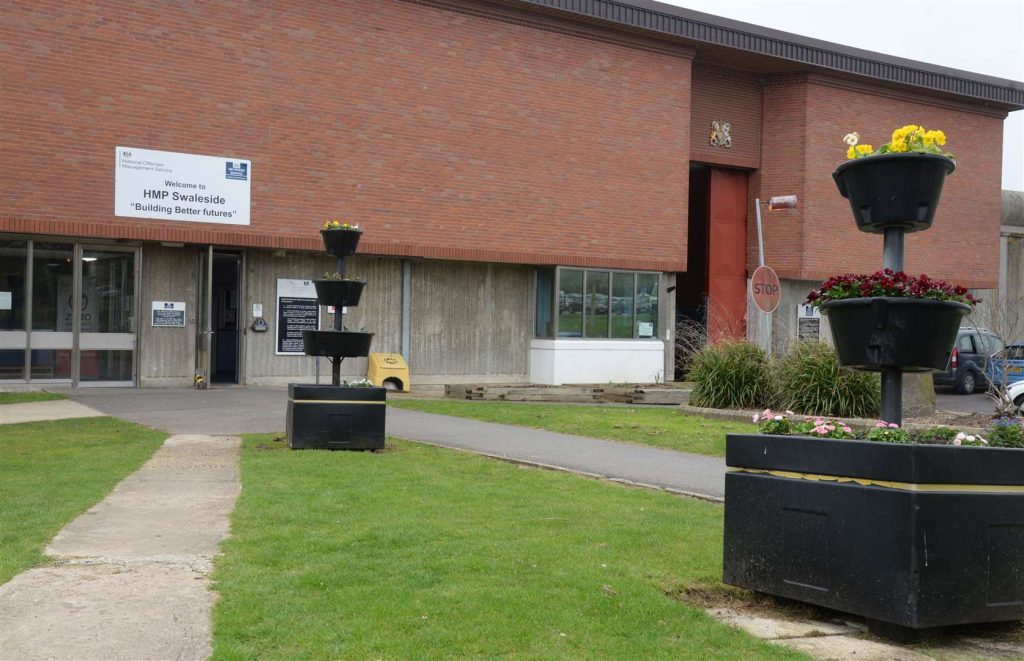
Recent inspections by HM Inspectorate of Prisons have once again highlighted serious concerns within the prison system, including rising violence, widespread drug use, and declining staff morale in establishments such as HMP Woodhill and HMP Swaleside. However, rather than focusing only on the findings, UKPS Network wants to raise a more fundamental question—what actually happens after these reports are published?
UKPS Network Team
Books, Security and Rehabilitation: Why Prison Libraries Must Be Protected

Access to books in prisons remains a crucial yet increasingly debated issue across the UK. While security concerns are valid, limiting access to reading materials risks undermining rehabilitation, education, and overall stability within the prison system.
Recently, Inside Times reported on ongoing tensions surrounding restrictions on books being sent into prisons, including cases where establishments have pushed back against tighter controls. The issue highlights a growing concern: how do prisons balance security with rehabilitation?
Books are far more than a pastime. They are a proven tool in reducing reoffending, supporting education, and helping individuals cope with the stress and isolation of prison life. Reading can provide structure, purpose, and mental escape in what are often challenging and volatile environments. In many cases, access to literature contributes directly to calmer wings and reduced levels of violence.
This importance has been formally recognised. HMP Edinburgh was recently named among the UK’s best prison libraries at a national book awards event, highlighting the positive impact that well-resourced library services can have within custodial settings. It demonstrates what can be achieved when proper investment is made into education and rehabilitation.
However, the concerns raised by prison authorities cannot be ignored. There have been multiple incidents where books sent by post have been used to smuggle drugs into prisons. Similarly, letters are now routinely scanned or photocopied due to cases where paper has been soaked in illicit substances, posing serious risks to both staff and prisoners. These are real threats that can destabilise entire prison regimes and endanger lives.
The solution, therefore, is not a blanket ban on books—but better systems.
If families are to be allowed to send books, prisons must be equipped with reliable and effective scanning technology to detect contraband. At the same time, greater use of approved or “trusted” suppliers could ensure that prisoners still have access to reading materials without compromising security.
Every prison should also be required to maintain a well-equipped library. Access to books should not depend on location or resources—it should be a standard across the entire estate.
At its core, this is about balance. Security must come first, but rehabilitation cannot be left behind. Books play a vital role in shaping safer, more stable prisons—and ultimately, in helping individuals build better lives beyond the gate.
We would like to thank all librarians working behind the gates. Your work plays a vital role in rehabilitation and helps change lives for the better.
UKPS Network Team
Photo: Inside Time
Safety Concerns and Staffing Pressures in the UK Probation Service

Concerns about probation officer safety, staffing shortages and increasing workload pressures are being raised across the UK probation service. Frontline practitioners report that high caseloads, limited security arrangements and rising workplace pressures are affecting both staff wellbeing and the conditions in which probation officers carry out their duties. These concerns raise an important question for the justice system: can probation officers continue to provide fully independent and objective assessments when working under increasing strain?
Probation officers play a critical role within the criminal justice system. Their assessments and reports influence sentencing decisions, licence conditions, parole outcomes and risk management strategies for individuals who may present a high or very high risk of serious harm. These recommendations must always remain objective, evidence-based and professionally independent. However, many practitioners report that the environments in which they operate are placing increasing strain on staff.
Concerns about safety are not theoretical. Incidents involving threats, intimidation and physical assaults against probation staff have been reported for many years. One of the most widely reported cases occurred in 2025 at Preston Probation Office, where a probation officer was stabbed during an appointment with an offender who had brought knives to the meeting. The officer suffered life-threatening injuries and required extensive hospital treatment. Incidents like this have intensified debate about whether existing safety protections are sufficient.
Safety concerns also arise in prison settings. Since the Covid pandemic, many parole hearings continue to be conducted remotely using video technology. In some cases, however, probation staff acting as Prison Offender Managers are expected to sit alone in a room with prisoners during the hearing. Many of these prisoners are assessed as presenting a high risk of serious harm, and parole hearings themselves can be stressful and emotionally charged situations.
Although staff may receive conflict management training and have access to radios or alarms, some practitioners report feeling exposed in situations where they have limited control over the environment or security arrangements. Immediate and visible safety measures, such as the presence of security staff on site, may help reassure frontline practitioners and reduce risks during appointments and hearings.
These challenges are taking place at a time when the probation service is also facing significant staffing pressures. Many officers are responsible for large caseloads and complex risk management responsibilities. When staff are stretched across too many cases, it becomes increasingly difficult to dedicate the time and focus required for effective supervision and meaningful rehabilitation work with people on probation.
Frontline staff emphasise that safety and workload pressures are closely connected. When officers feel unsafe, unsupported or overwhelmed by workload, this can affect morale, wellbeing and the ability to exercise professional judgement with confidence and independence.
These concerns are also reflected in wider discussions among frontline staff. A recent social media discussion involving probation practitioners generated more than 100 comments from staff sharing their experiences and concerns about safety, workload and working conditions. While social media discussions cannot replace formal data or research, they provide insight into the issues currently being raised by practitioners across the service.
https://www.facebook.com/100064756954671/posts/pfbid02TsqJ5Q1jDD5kbVFGEd7dZv73EwBGjvXeTdJ6BUvpsSNP6Wt95VG4srVknamfAfMhl/
Some improvements have been introduced in parts of the service, including additional training, new safety equipment and pilot security measures in certain offices. These steps are welcome, but many practitioners believe that consistent national safety standards are still needed across probation offices, Approved Premises and prison settings.
Practical improvements could include controlled interview rooms, functioning alarms, CCTV coverage, appropriate security procedures and, where necessary, the presence of trained security staff. Regular conflict management and personal safety training should also remain an important part of staff preparation for challenging situations.
As these concerns continue to be raised by frontline staff, there is an opportunity for constructive collaboration. Trade unions, staff representatives and HM Prison and Probation Service should work together to listen to staff experiences and identify practical solutions that can improve safety, working conditions and professional independence.
The probation profession carries immense responsibility for public protection and rehabilitation. Ensuring the safety and wellbeing of those who carry out this work is not simply an employment issue. It is essential for maintaining confidence in the justice system and ensuring that probation officers can continue to make fair, objective and independent decisions in the public interest.
UKPS Network Team
Supporting Young People Joining the Prison Service
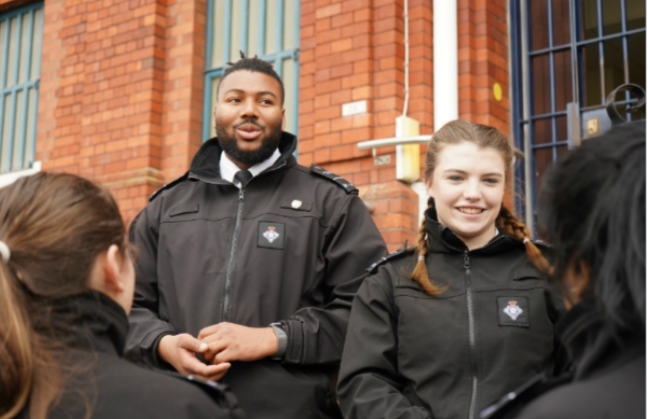
National campaigns on radio and TV are encouraging young people, especially university leavers, to consider a career in the prison service. This is an important step for bringing fresh talent and new ideas into our workforce.
UKPS Network Team
Corrupted Prison Officer Sentenced

We are sorry to inform that once again one of us has been sentenced for corruption, betraying colleagues and letting down the whole service. Stories like this are never easy to post. We know there are many women working across our service who carry out their duties with professionalism and pride every single day. They represent the very best of what the job stands for, and cases like this should never define them.
UKPS Network Team
Prison officer running the London Marathon to support his paralysed mum
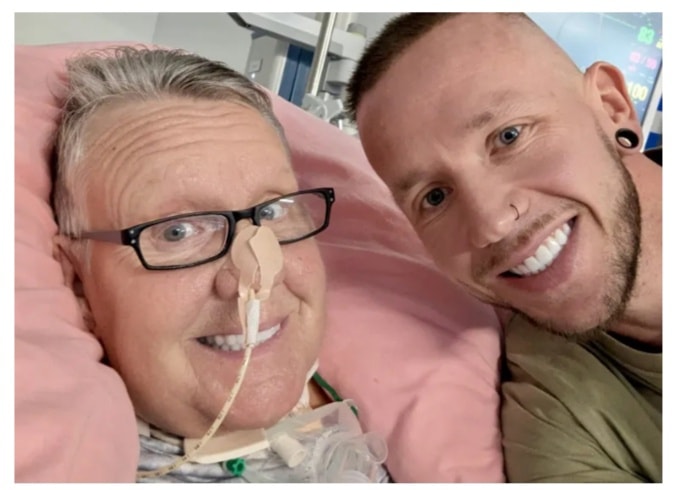
A prison officer from HMP/YOI Swinfen Hall is taking on the London Marathon to raise money for spinal cord research after a tragic accident left his mother paralysed.
Prison Escorts: The Hidden Duty of Prison Officers

When people think about the role of a prison officer, most imagine staff working inside the prison walls—supervising wings, maintaining order and managing daily routines. In reality, the job extends far beyond the gates. Every single day across the country, prison officers carry out prison escorts, one of the least visible but most demanding parts of the role. Escorts may involve taking prisoners to court, hospital appointments, transfers between establishments, or responding to medical emergencies where officers accompany prisoners in ambulances under blue lights. These duties take staff out of the controlled prison environment and into public spaces where security, professionalism and awareness must always be maintained.
Howard League for Penal Reform Raises Concerns — But Staff Safety in YOIs Must Be Part of the Conversation
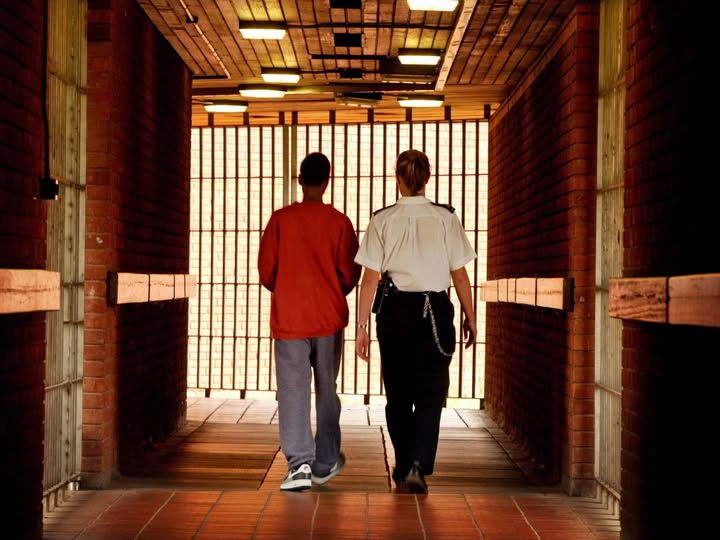
The recent commentary and reporting from the Howard League for Penal Reform again highlights serious concerns about conditions, education provision and the welfare of children held in custody. Their focus on safeguarding, purposeful activity and rehabilitation is important. Every professional working in youth custody understands that children in Young Offender Institutions (YOIs) must be treated with dignity and given real opportunities to change.
UKPS Network Team