
Do We Need Religion in Prisons? The Role of Chaplaincy Explained
A Divided Opinion
Do we need religion in prisons? It’s a question that divides opinion—but one that often overlooks the bigger picture.
Recently, a discussion on our social media platform explored this very topic. Some expressed strong support for the chaplaincy department, others questioned its necessity, while many chose not to engage at all—perhaps unsure where they stood.
What Is Prison Chaplaincy?
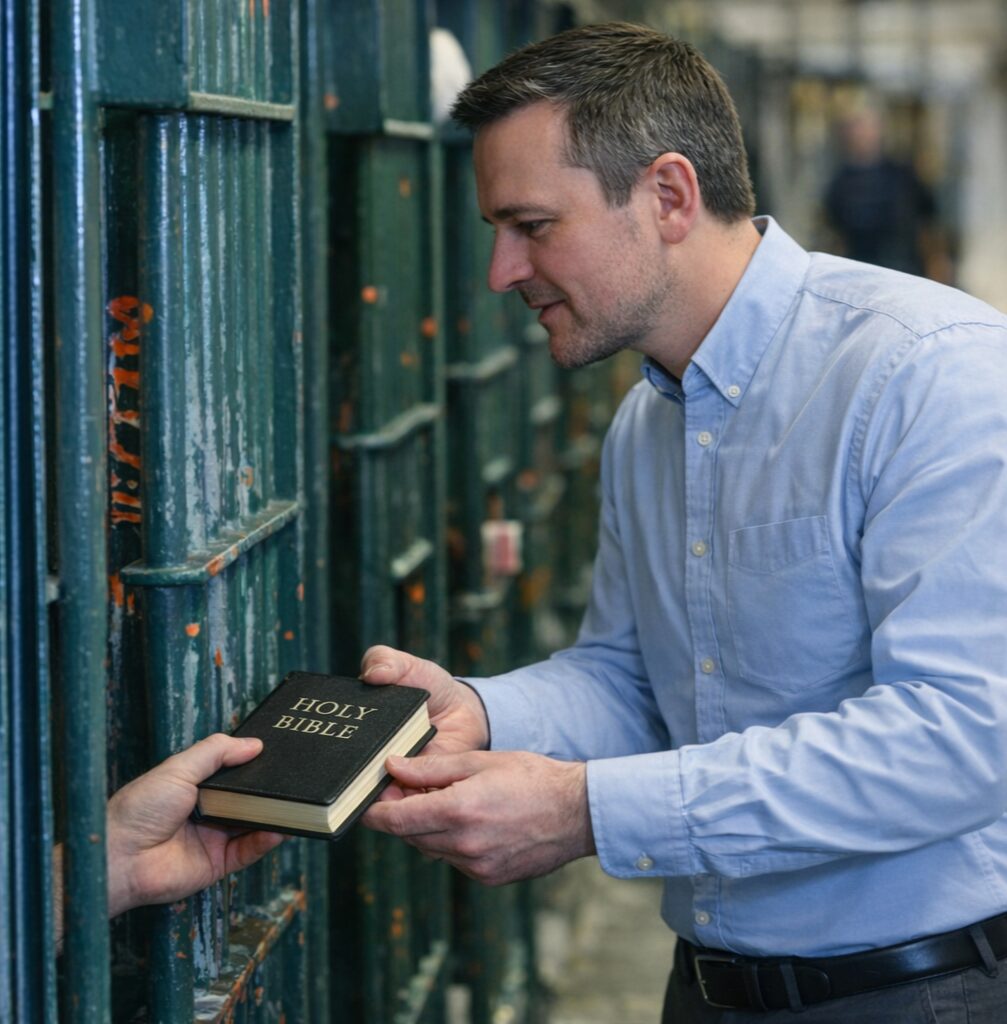
Every prison in the United Kingdom has a chaplaincy department. Where possible, it includes representatives from a range of faiths—typically a Catholic priest, an Anglican minister, an Orthodox priest, an imam, a rabbi, and others serving different religious communities. Some wear traditional religious attire, while others dress in civilian clothing. Some are employed full-time, while others volunteer their time. There are also individuals who offer pastoral support to those who do not identify with any religion.
More Than Religious Support
During my time working in a London prison, I had the opportunity to meet many of these individuals. They regularly visited the wings to speak with prisoners and often engaged with staff as well. Many demonstrated exceptional interpersonal skills, providing meaningful emotional support.
These conversations were not limited to religion. They often extended to personal struggles, life experiences, and mental wellbeing—areas where many individuals simply need someone willing to listen.
Trusted in Difficult Moments
What is less widely known is that chaplaincy staff are often responsible for delivering difficult news to prisoners, such as serious family matters or personal tragedies. In many ways, they act as informal counsellors—trusted listeners in an environment where trust is not easily given.
They also play an important role as a bridge between prisoners and their families, helping to maintain human connection during some of the most difficult moments of a person’s life.
A Quiet but Powerful Influence
Their impact is often unseen but significant. Chaplaincy staff help to de-escalate situations driven by anger, frustration, or despair. In moments where tensions could rise, their presence can bring calm, perspective, and stability.
They are not only there for prisoners—their support extends to staff as well, reinforcing their importance across the entire prison community.
Education, Reflection and Change
Chaplaincy is not only about support—it is also about education and personal development. Many chaplaincy teams organise regular Bible study groups, Quran study sessions, and theological classes, providing inmates with an opportunity to reflect on their lives—sometimes for the very first time.
These sessions go beyond religion. They create space for discussion, self-awareness, and personal growth, which can play a meaningful role in rehabilitation and long-term change.
Why Their Work Matters
Chaplaincy is not a luxury in prisons—it is a necessity. Faith—whatever form it takes—can provide hope, even in the most challenging circumstances. What people believe in, and the values that shape them, influence how they treat others—especially those deprived of their liberty.
For some individuals, faith becomes a crucial anchor—sometimes the only reason to keep going.
A Demanding and Risky Role
Despite common perceptions, working within the chaplaincy is far from easy. It is emotionally demanding and requires resilience, empathy, and considerable life experience.
Chaplaincy staff often engage with individuals in unpredictable situations, without knowing their mindset or emotional state. There have also been instances where their safety has been placed at serious risk—highlighting the challenges they face daily.
A Service for Everyone
At the same time, being a good person is not defined by religious belief. Many individuals who do not follow any faith still demonstrate strong values, empathy, and compassion.
However, in moments of crisis or hopelessness, having access to chaplaincy support can provide a sense of refuge—a place to reflect, reset, and regain strength.
Final Thoughts
Chaplaincy provides something that is often in short supply within prisons: time, understanding, and human connection.
We extend our sincere gratitude to all chaplaincy staff and volunteers. Your presence and dedication make a meaningful difference every day. Ensuring that prisons provide space for faith, reflection, and support is not just important—it is necessary for creating a more stable and humane environment.
With respect to all—both believers and non-believers,
UKPS Network Team
I am now retired still sadly taking Retired Prison Officers funeral. and meeting up with others. Bless You ALL