
Prison Charities: Striking the Balance Between Criticism and Recognition
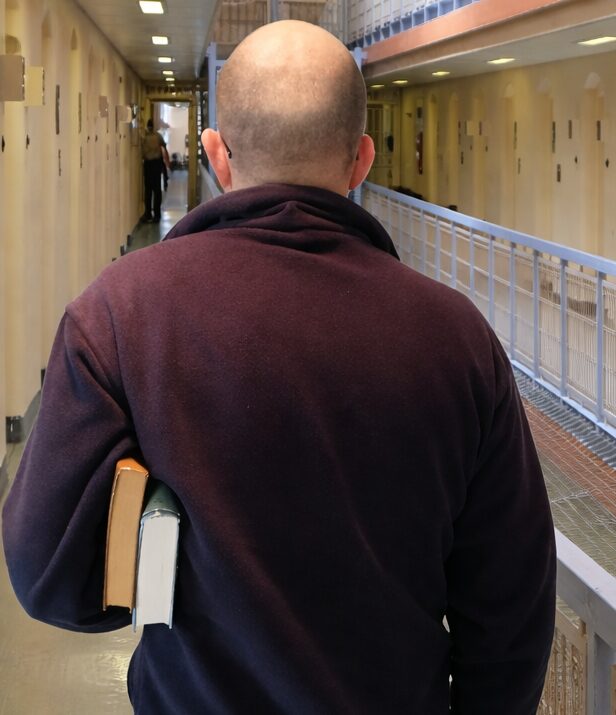
Some charities and organisations take a fair and balanced approach when discussing prisons, acknowledging both the challenges within the system and the efforts being made to improve it. They highlight areas that require attention, but also give credit to progress, professionalism, and commitment shown by staff. However, there are also organisations that focus almost entirely on adverse narratives. Their messaging often highlights issues such as staff corruption, negligence, or poor conditions, but rarely reflects the positive work carried out daily by prison staff. Over time, this creates a narrative that feels one-sided and unrepresentative of the full reality.
When only critical coverage is shared, it can give the impression that failure is the norm and that there is little or no good practice taking place. In reality, this is far from the truth. Across the prison estate, there are countless examples of dedication, innovation, and professionalism that simply do not receive the same level of attention.
The Reality Behind the Prison Environment
Prisons are, by their very nature, difficult environments to manage. They hold individuals with complex needs, including mental health issues, substance misuse problems, and histories of violence or trauma. This creates a challenging and often unpredictable setting where tensions can escalate quickly.
On a daily basis, frontline staff manage high-risk situations while being exposed to verbal abuse, psychological pressure, and physical attacks. Assaults on officers remain a serious and ongoing issue, with many suffering injuries that can have long-term or even life-changing consequences. In addition to physical risks, there is also a significant emotional and mental toll associated with the role.
Despite these pressures, personnel continue to maintain order, support rehabilitation, and build professional relationships that can help individuals change their lives. They work in conditions that are far from easy, yet their contribution is often overlooked when public discussion focuses only on what is going wrong.
Recognising Progress and Good Practice
While problems do exist and should never be ignored, it is equally important to highlight when prisons are doing well. Oversight bodies such as the HM Inspectorate of Prisons and Independent Monitoring Boards regularly assess establishments and provide proportionate reports, outlining both strengths and areas for improvement.
Magilligan Prison was recently described as one of the very best prisons in the UK by the Criminal Justice Inspection Northern Ireland. The report praised the overall quality of the establishment, the leadership, and the positive environment created by staff, while also acknowledging ongoing challenges such as the presence of drugs. This demonstrates that it is possible to highlight success without ignoring existing issues.
Similarly, HMP & YOI Low Newton received a good rating from Ofsted for its education provision following an unannounced inspection. Education providers working within prisons play a key role in rehabilitation, helping individuals gain skills, confidence, and opportunities for the future. As highlighted by Novus, high-quality education in custody can change lives and benefit wider society by reducing reoffending.
Further positive acknowledgement has been given to HMP Edinburgh, where collaborative work between prison and community library services was recognised at the British Book Awards. Initiatives such as the Secret Santa project, which provided books as meaningful gifts for people in custody, show a more human side of the prison system and highlight efforts to promote wellbeing, literacy, and dignity.
It is worth noting that all of these positive developments were highlighted in March. Despite this, they received very limited attention from some charities and campaign groups, reinforcing the perception of a selective narrative.
A One-Sided Narrative
After reviewing one charity’s website and social media platforms, UKPS Network observed that there is not a single positive story highlighting the work of prisons or staff. The content predominantly focuses on adverse issues such as deaths in custody and allegations of staff brutality, while failing to reflect the broader reality.
There is little to no mention of the frequent attacks on prison staff, many of which result in serious or life-changing injuries. There is also no acknowledgement of the number of staff who lost their lives during the COVID-19 pandemic, despite the risks they faced while continuing to work on the front line.
Cases such as former prison officer Lenny Scott, who was killed after refusing to engage in corruption, are also absent from these narratives. Furthermore, the impact of the role on staff mental health is often overlooked, including cases where individuals have taken their own lives due to the pressures associated with working in such a demanding environment.
This selective focus risks presenting an incomplete and unbalanced picture of the prison system and those who work within it.
The Need for Balance
There are organisations, such as the Prison Reform Trust, that provide a more proportionate view by acknowledging both the challenges and the realities faced by staff. Their reports often include issues such as working conditions, staff shortages, and violence, while also highlighting progress and the efforts being made to improve outcomes.
UKPS Network would like to thank those organisations for their transparency and fairness. Constructive criticism is essential because it helps identify what needs improvement, encourages accountability, and drives reform. However, when improvements are made, they should also be acknowledged.
Focusing only on failures is not fair to the many uniformed staff, civilian workers, and volunteers who contribute every day to making prisons safer and more rehabilitative environments. A more even-handed approach would support better understanding and encourage cooperation across the sector.
Final Thought
A fair and proportionate approach builds trust and stronger relationships between all organisations involved in the justice system. It allows for honest conversations that reflect both challenges and achievements.
If the narrative remains one-sided, there is a risk of losing credibility and being seen as unwilling to engage constructively in positive change. Recognising both the problems and the progress is the only way to move forward together and create a system that works better for staff, those in custody, and society as a whole.
UKPS Network Team