
Prison Corruption: A Failure of Training or Morality?
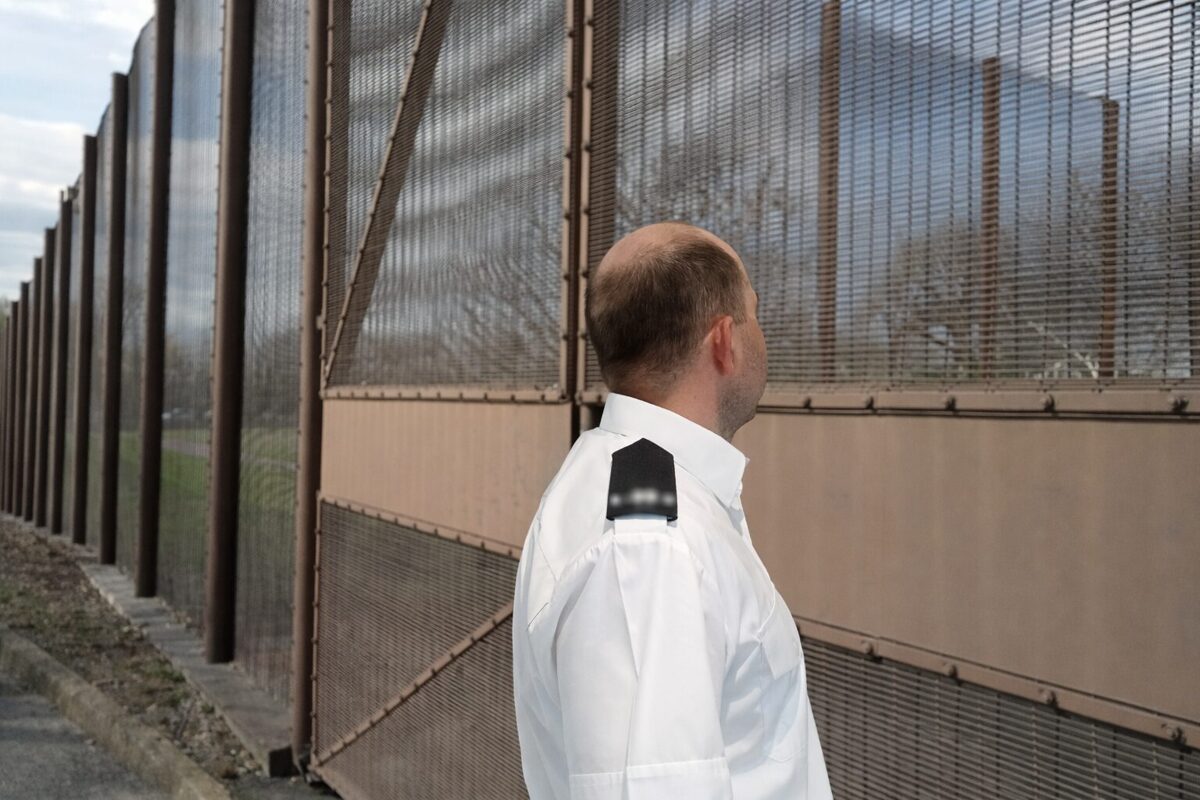
Photo: UKPS Network
Recent reporting by The Guardian has highlighted plans to introduce additional training for new prison officers, aimed at helping them recognise manipulation and maintain professional boundaries with prisoners.
The concern is well-founded. In recent years, there has been a rise in cases involving inappropriate relationships between staff and inmates, as well as the smuggling of prohibited items into prisons.
Examples include Alicia Novas, who was sentenced to three years in prison after becoming involved with an inmate and smuggling cannabis, and Linda De Sousa Abreu, who received a custodial sentence after engaging in a sexual relationship with a prisoner. These incidents have intensified concerns around staff professionalism and vulnerability.
A further example highlighting the limits of training is the case of Kerri Pegg. A former prison governor once regarded as a rising star, she was sentenced to nine years’ imprisonment after entering into an inappropriate relationship with a convicted drugs boss. This case demonstrates that even highly trained and senior staff are not immune, reinforcing the argument that professionalism ultimately depends on individual integrity rather than training alone.
The Ministry of Justice is currently developing the “Enable” programme — a 12-month training initiative designed to provide new recruits with enhanced support, mentoring, and practical guidance. This follows findings by Lord Timpson, which highlighted gaps in mentoring and the need for stronger ongoing support for officers entering the service.
Training vs Intentional Misconduct
At UKPS Network, we recognise the value of improved training. However, an important question remains:
Can training prevent misconduct in individuals who join the service with the intention of exploiting it?
Concerns previously raised by the Prison Officers' Association suggest that some recruits may have links to organised crime and enter the role with pre-existing intent to engage in illicit activity.
Further cases illustrate this issue:
Matthew Langdown – involved in smuggling drugs into prison
Jason Thompson – collaborated with an organised crime group
In such cases, individuals were fully aware of their actions and the potential consequences. It is therefore difficult to conclude that training alone would have prevented this behaviour.
The Role of Character and Values
It is often suggested that younger staff are more vulnerable to manipulation. While this may be true in some cases, personal values remain a decisive factor.
Individuals who possess strong principles — such as integrity, honesty, and respect — are significantly less likely to engage in misconduct, regardless of age. While they may face pressure or intimidation, they are more likely to recognise inappropriate behaviour and respond appropriately.
Conversely, those with weaker moral foundations may be more susceptible to unethical conduct. In some cases, this is not a matter of manipulation, but of pre-existing attitude and intent.
The Recruitment and Vetting Challenge
This leads to a critical question:
How can the system effectively distinguish between candidates committed to public service and those intending to exploit their position?
Addressing this challenge requires:
more robust background checks
improved intelligence sharing
deeper assessment of personal associations and risk factors
At the same time, greater attention must be given to sentencing outcomes for staff misconduct.
In some cases, individuals receive minimal custodial sentences or are simply dismissed. This raises concerns as to whether the full seriousness of prison corruption is consistently recognised.
The Real-World Consequences
Corruption in prisons is not a contained issue — it can have serious and sometimes fatal consequences.
A clear example is the murder of Lenny Scott, who was killed by Elias Morgan in a targeted act of revenge following the confiscation of a mobile phone. The case also exposed wider concerns around relationships and conduct within the prison environment.
This case highlights the reality that misconduct and compromised boundaries can place staff at significant risk.
Conclusion
Enhanced training, mentoring, and support are all positive steps and should be welcomed.
However, these measures alone are unlikely to address the full scope of the problem. Greater focus is needed on:
recruitment integrity
vetting processes
consistent and proportionate sentencing
Community Discussion
We invite the UKPS Network community to share their views:
How should corruption within prisons be tackled?
For those outside the UK — how is this issue addressed in your country?
UKPS Network Team
Prison Escort Dangers Highlighted After Violent Hospital Attack

Photo: Nottinghamshire Police
We recently reported on the risks associated with prison escorts and how unpredictable and dangerous these situations can be. This latest incident serves as a stark reminder of those realities.
A violent offender has received additional life sentences after launching a serious attack on prison officers during a hospital visit.
Jamie Smith, a serving prisoner at HMP Lowdham Grange, was escorted to Queen’s Medical Centre on 9 January 2025 by three prison officers for treatment to a hand injury. Following an X-ray, officers attempted to reapply handcuffs when Smith suddenly became agitated, making threats and demanding the restraints be removed.
Without warning, the 31-year-old lunged at one of the officers while armed with an improvised bladed weapon, causing a slash wound behind the officer’s ear. As a second officer intervened, Smith escalated the violence—headbutting and biting him before using a weapon fashioned from a toothbrush with a blade attached to inflict a further slash wound to the back of his neck.
The situation was brought under control shortly afterwards, thanks to the swift and coordinated response of prison staff and hospital security, who successfully restrained the attacker.
Smith later gave conflicting accounts regarding the weapon, claiming both that he had found it during the visit and that he had brought it with him.
Following a thorough investigation, he pleaded guilty to multiple serious offences, including wounding with intent, attempted wounding with intent, possession of an offensive weapon in a public place, and attempting to escape custody.
At Nottingham Crown Court on 14 April, Smith was handed two life sentences and must serve a minimum of 12 years.
This case underlines the very real dangers prison officers face, particularly during escorts outside secure environments.
Well done to the prison officers and hospital security staff involved for their professionalism, bravery, and decisive actions in detaining a highly dangerous individual.
UKPS Network Team
Everyone Is Warning — So Why Is Nothing Changing?
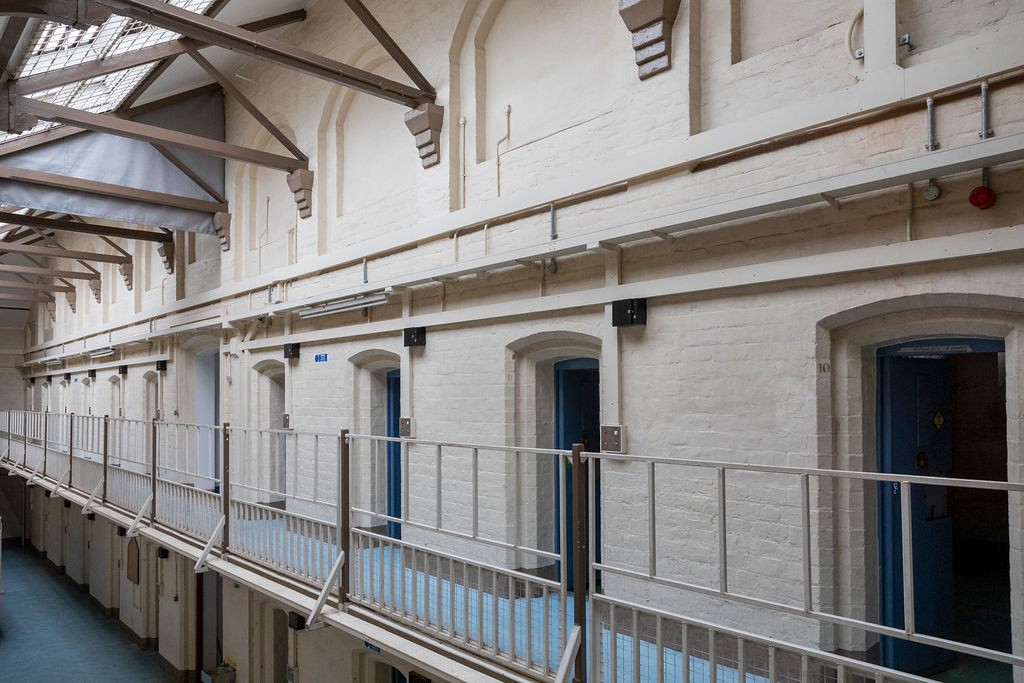
As we all know, for several — if not over a dozen — years, the prison service has faced ongoing staff shortages. The role is not adequately rewarded, and experienced staff continue to leave at an alarming rate.
The Ministry of Justice continues efforts to attract new recruits, but the reality on the ground tells a different story. Rising assaults on officers, lack of proper support for new staff, and limited access to consistent mental health care all contribute to a profession that fewer people are willing to join — or remain in.
Just last week, UKPS Network reported on conditions inside HMP Addiewell. Based on over 50 accounts shared directly with UKPS Network by current and former staff, serious concerns were raised around safety, staffing levels, and control.
Accounts described wings operating with minimal supervision, delayed responses to incidents, and increasing pressure on staff simply to get through the shift safely.
While not every establishment faces identical challenges, similar issues clearly exist across the system — including staffing shortages, declining experience, and, in some cases, concerns around professionalism and corruption.
At the same time, trade unions across the UK continue to raise serious concerns. Organisations such as the Prison Officers' Association, Scottish Prison Officers Association, Unison, and Public and Commercial Services Union regularly publish statements, give interviews, and describe the current state of the prison service as unacceptable. Conferences are held, and assurances are made that pressure is being applied to government to improve safety and conditions.
But this raises a simple and important question:
Is anything actually changing?
From the perspective of frontline staff, the answer is far less clear.
The latest figures published by the Ministry of Justice under its “Safety in Custody” statistics show the scale of the issue.
In the 12 months to June 2025, there were 10,477 assaults on staff — the highest level on record, representing a rate of 121 incidents per 1,000 prisoners (Ministry of Justice, Safety in Custody Statistics, England and Wales: year ending June 2025).
That equates to around 29 assaults on staff every single day — a figure that highlights the ongoing level of risk faced by officers across the estate.
These are not isolated incidents. They represent sustained pressure on staff across the system.
In recent years, additional use-of-force measures have been introduced — including handcuffs, PAVA spray, protective vests, and now the testing of tasers. These developments are often presented as progress. While necessary, they should not be viewed as exceptional achievements.
In many other countries, such equipment is standard. In the UK, these measures were introduced only after thousands of officers had already experienced assaults — some resulting in serious, life-changing injuries.
After years of facing violence, working in unpredictable environments, and dealing with increasing risk, these tools were finally authorised. It is right that they are now available. But should it have taken this long — and should unions have had to fight for what many would consider basic protection?
Providing essential equipment should not be seen as progress in itself. It should be the baseline.
Some would argue that the roots of today’s challenges go back further.
Since the introduction of the Voluntary Early Departure Scheme (VEDS) in 2010 — now over 16 years ago — a significant number of experienced staff left the prison service. While the intention may have been to restructure and reduce costs, the long-term impact is still being felt today.
The loss of experience created gaps that have never fully been replaced. In many establishments, new staff are learning in real time — often without the guidance of experienced officers who once formed the backbone of the service. Over time, this has contributed to a gradual decline in consistency, confidence, and control.
This leads to a wider issue.
Trade unions play an important role in representing staff. However, despite ongoing warnings, many of the core issues remain unchanged.
Staff continue to work in understaffed, high-risk environments, with recruitment struggles and declining experience levels.
So the question becomes not whether the problems are known — but whether the current approach is enough to resolve them.
Frontline staff are not only looking for acknowledgment. They are waiting for tangible improvements:
Fair and competitive pay
Housing support or allowances
Earlier retirement options
Recognition for years of service
Over time, many benefits have been reduced or removed. Today, what remains is limited — and for many, no longer reflects the reality of the role.
Some may argue that other emergency services also face risk — and that is true. However, the prison service remains a uniquely complex environment. Officers are responsible not only for maintaining safety and control, but also for supporting the rehabilitation of individuals who will eventually return to society.
This responsibility comes with challenges that are often underestimated, and with risks that are part of daily working life.
This is not about special treatment. It is about ensuring that the role is properly supported, fairly rewarded, and sustainable for those who carry it out.
This also raises a broader question about accountability.
Given the ongoing concerns around staffing, safety, and long-term decline, should there be greater scrutiny of how the prison service has been managed over the years?
An independent review could help assess whether past and present decisions have consistently been made in the best interests of staff, prisoners, and the wider public. It may also provide an opportunity to identify where lessons have not been learned — and what needs to change moving forward.
The question is whether such a step will ever be taken.
For now, many are left watching and waiting.
For those observing from the outside, this may not seem urgent.
But for those working on the landings every day, it is a very different reality.
We welcome responses from unions and organisations representing prison staff. We also welcome comment from the Ministry of Justice.
UKPS Network Team
Do We Need Religion in Prisons? The Role of Chaplaincy Explained

A Divided Opinion
Do we need religion in prisons? It’s a question that divides opinion—but one that often overlooks the bigger picture.
Recently, a discussion on our social media platform explored this very topic. Some expressed strong support for the chaplaincy department, others questioned its necessity, while many chose not to engage at all—perhaps unsure where they stood.
What Is Prison Chaplaincy?
Every prison in the United Kingdom has a chaplaincy department. Where possible, it includes representatives from a range of faiths—typically a Catholic priest, an Anglican minister, an Orthodox priest, an imam, a rabbi, and others serving different religious communities. Some wear traditional religious attire, while others dress in civilian clothing. Some are employed full-time, while others volunteer their time. There are also individuals who offer pastoral support to those who do not identify with any religion.
More Than Religious Support
During my time working in a London prison, I had the opportunity to meet many of these individuals. They regularly visited the wings to speak with prisoners and often engaged with staff as well. Many demonstrated exceptional interpersonal skills, providing meaningful emotional support.
These conversations were not limited to religion. They often extended to personal struggles, life experiences, and mental wellbeing—areas where many individuals simply need someone willing to listen.
Trusted in Difficult Moments
What is less widely known is that chaplaincy staff are often responsible for delivering difficult news to prisoners, such as serious family matters or personal tragedies. In many ways, they act as informal counsellors—trusted listeners in an environment where trust is not easily given.
They also play an important role as a bridge between prisoners and their families, helping to maintain human connection during some of the most difficult moments of a person’s life.
A Quiet but Powerful Influence
Their impact is often unseen but significant. Chaplaincy staff help to de-escalate situations driven by anger, frustration, or despair. In moments where tensions could rise, their presence can bring calm, perspective, and stability.
They are not only there for prisoners—their support extends to staff as well, reinforcing their importance across the entire prison community.
Education, Reflection and Change
Chaplaincy is not only about support—it is also about education and personal development. Many chaplaincy teams organise regular Bible study groups, Quran study sessions, and theological classes, providing inmates with an opportunity to reflect on their lives—sometimes for the very first time.
These sessions go beyond religion. They create space for discussion, self-awareness, and personal growth, which can play a meaningful role in rehabilitation and long-term change.
Why Their Work Matters
Chaplaincy is not a luxury in prisons—it is a necessity. Faith—whatever form it takes—can provide hope, even in the most challenging circumstances. What people believe in, and the values that shape them, influence how they treat others—especially those deprived of their liberty.
For some individuals, faith becomes a crucial anchor—sometimes the only reason to keep going.
A Demanding and Risky Role
Despite common perceptions, working within the chaplaincy is far from easy. It is emotionally demanding and requires resilience, empathy, and considerable life experience.
Chaplaincy staff often engage with individuals in unpredictable situations, without knowing their mindset or emotional state. There have also been instances where their safety has been placed at serious risk—highlighting the challenges they face daily.
A Service for Everyone
At the same time, being a good person is not defined by religious belief. Many individuals who do not follow any faith still demonstrate strong values, empathy, and compassion.
However, in moments of crisis or hopelessness, having access to chaplaincy support can provide a sense of refuge—a place to reflect, reset, and regain strength.
Final Thoughts
Chaplaincy provides something that is often in short supply within prisons: time, understanding, and human connection.
We extend our sincere gratitude to all chaplaincy staff and volunteers. Your presence and dedication make a meaningful difference every day. Ensuring that prisons provide space for faith, reflection, and support is not just important—it is necessary for creating a more stable and humane environment.
With respect to all—both believers and non-believers,
UKPS Network Team
“Unsafe, Understaffed, and Unheard”: Staff Speak Out on HMP Addiewell

Recent reports shared with UKPS Network raised serious concerns about safety, control, and professionalism inside HMP Addiewell, which has been operated by Sodexo Justice Services on behalf of the Scottish Prison Service since opening in December 2008 and holds around 700 men. Allegations of prisoners openly taking drugs, dancing on wings, and a lack of supervision prompted us to speak directly with current and former staff.
The response was significant. Over 50 accounts were received, many of which were shared anonymously on our Facebook page in recent days, all pointing toward similar issues—suggesting this is not about isolated incidents, but a deeper, ongoing problem.
A Prison Losing Control
Many staff described an environment where control on the wings has weakened. Prisoners were said to act with increasing freedom during association, with some officers admitting the focus had shifted from maintaining order to simply getting through the shift safely.
Drug use, violence, and disorder were repeatedly mentioned. Several contributors stated that basic security procedures were either ignored or inconsistently applied, creating a culture where boundaries became blurred and authority reduced.
“It wasn’t the prisoners I feared — it was the lack of support.”
Some accounts also pointed to how this culture is perceived internally:
“I’m not going to mudsling — I’ll just say what it was like for me. I did nearly six years, which is seen as ‘very experienced’. There were good and bad seniors. The training staff were some of the best people I’ve met and I’d still go to them for advice. On the wings, solid staff and good seniors made it work day to day.
But staffing levels were abysmal. Visits were always a struggle to cover and if there weren’t enough staff, halls would be shut. Most prisoners knew who was fair and decent — and you could talk situations down most of the time.
The real issues came from above. Decisions that didn’t make sense, lack of support, and poor mental health provision for both staff and prisoners. That’s what created risk. The job could look after itself most days — but the rest was heavy pressure and questionable decisions that put people in danger.”
There were also claims that the establishment had developed a reputation among some prisoners as being overly relaxed, further reinforcing concerns around control and consistency.
Understaffed and Unsafe
Chronic understaffing was one of the most consistent concerns. Officers reported managing wings of up to 70 prisoners with only two staff, and at times being left completely alone during active periods.
In such conditions, response times to incidents can be delayed and risks increase significantly. Accounts included serious assaults, large-scale fights, and situations where officers had to intervene without immediate backup. Equipment failures, including alarms not activating straight away, were also mentioned.
This combination of low staffing and high demand creates an environment where both staff and prisoners are placed at unnecessary risk.
Workplace Culture and Leadership
Beyond operational issues, many testimonies highlighted problems within the internal culture. Reports of bullying, favouritism, and unprofessional behaviour were common. Some staff felt unsupported by management, particularly when dealing with incidents or attempting to maintain standards.
There were also concerns about blurred professional boundaries, with claims that overfamiliarity between staff and prisoners had become normalised in some areas. Officers who tried to uphold stricter standards often felt isolated or moved between posts following complaints.
Mental Health and Support
The impact on staff wellbeing was clear throughout the responses. Officers spoke about exposure to violence, threats, and traumatic incidents, often without meaningful follow-up support.
Some described feeling dismissed after serious events, while others highlighted a culture where admitting struggle was discouraged. In an already high-pressure role, the lack of consistent mental health support appears to be pushing many to leave.
Experience Gap and Training Issues
While some praised elements of training, others felt unprepared for the realities of the job. Inexperienced staff were frequently placed in demanding situations without adequate guidance.
With many experienced officers having left or retired, there is now a noticeable gap in knowledge and leadership on the landings. New staff are often learning in real time, without seeing what a well-run, controlled regime should look like.
This lack of experience can lead to relaxed standards, inconsistency, and increased vulnerability to manipulation or conditioning.
A Wider Problem
It is important to recognise that these concerns are not limited to one establishment. Across the UK, prisons are facing recruitment challenges, long vetting processes, and difficulties retaining staff.
As numbers fall and experience declines, some establishments are forced into survival mode—prioritising short-term stability over long-term standards. This can result in prisoners having greater influence over daily routines and staff having less control over the environment.
Conclusion
The testimonies gathered present a concerning picture of life inside HMP Addiewell. While experiences may differ, the consistency of these accounts cannot be ignored.
This is not about assigning blame, but about highlighting what staff are saying from within the system.
If prisons are serious about improving recruitment, they must first address the fundamentals: safety, structure, and support. New officers need confidence that they are entering a controlled and professional environment where their wellbeing is protected.
Accounts suggest that in some cases wings are operating without sufficient supervision, creating dangerous conditions where both staff and prisoners can be seriously harmed. Situations like this quickly shape public perception and damage the reputation of the role.
Without real change, recruitment will continue to suffer—and the system will remain under increasing pressure.
The question is whether these voices will finally lead to action.
Response from Sodexo
A spokesperson for Sodexo Justice Services said:
“It is well documented that all prisons are challenging environments, currently facing increased population and operational pressures.
While we don’t comment on individuals, we want to be absolutely clear that the safety and wellbeing of our staff at HMP Addiewell is our highest priority. Over the last two years, HMP Addiewell has made significant improvements in safety, which has been achieved through additional recruitment, development, enhanced training and support for both frontline staff and managers.
Whilst we are never complacent; whilst incidents will happen from time to time and whilst there is always room for improvement, these measures have resulted in reductions in drugs use, violence and self-harm among prisoners, as well as improved retention rates amongst staff, and the delivery of a full, purposeful regime with a strong focus on rehabilitation and recovery.
Should any current or former staff have any concerns, there are well-established and confidential channels they can safely use when required. All concerns are taken seriously, and we constantly review our activity, along with regular feedback from Scottish Prison Services and independent monitoring agencies.”
UKPS Network would like to thank current and former staff for their courage in coming forward and sharing their experiences.
UKPS Network Team
Prison Charities: Striking the Balance Between Criticism and Recognition
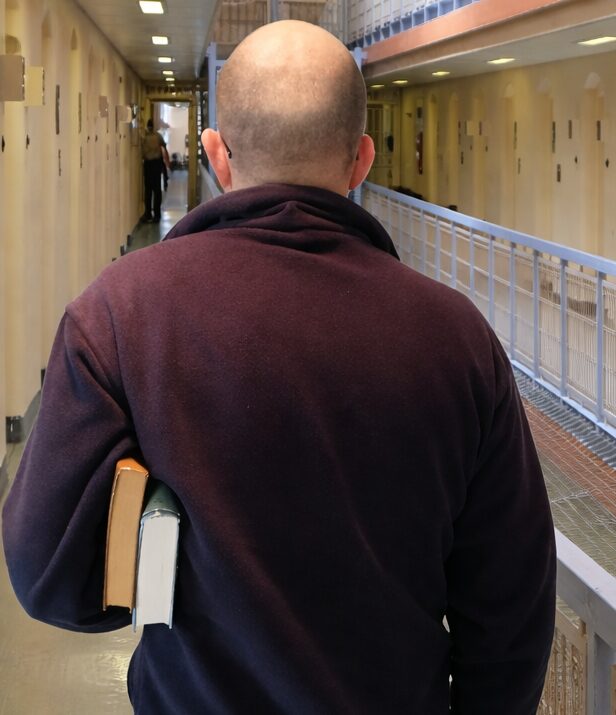
Some charities and organisations take a fair and balanced approach when discussing prisons, acknowledging both the challenges within the system and the efforts being made to improve it. They highlight areas that require attention, but also give credit to progress, professionalism, and commitment shown by staff. However, there are also organisations that focus almost entirely on adverse narratives. Their messaging often highlights issues such as staff corruption, negligence, or poor conditions, but rarely reflects the positive work carried out daily by prison staff. Over time, this creates a narrative that feels one-sided and unrepresentative of the full reality.
When only critical coverage is shared, it can give the impression that failure is the norm and that there is little or no good practice taking place. In reality, this is far from the truth. Across the prison estate, there are countless examples of dedication, innovation, and professionalism that simply do not receive the same level of attention.
The Reality Behind the Prison Environment
Prisons are, by their very nature, difficult environments to manage. They hold individuals with complex needs, including mental health issues, substance misuse problems, and histories of violence or trauma. This creates a challenging and often unpredictable setting where tensions can escalate quickly.
On a daily basis, frontline staff manage high-risk situations while being exposed to verbal abuse, psychological pressure, and physical attacks. Assaults on officers remain a serious and ongoing issue, with many suffering injuries that can have long-term or even life-changing consequences. In addition to physical risks, there is also a significant emotional and mental toll associated with the role.
Despite these pressures, personnel continue to maintain order, support rehabilitation, and build professional relationships that can help individuals change their lives. They work in conditions that are far from easy, yet their contribution is often overlooked when public discussion focuses only on what is going wrong.
Recognising Progress and Good Practice
While problems do exist and should never be ignored, it is equally important to highlight when prisons are doing well. Oversight bodies such as the HM Inspectorate of Prisons and Independent Monitoring Boards regularly assess establishments and provide proportionate reports, outlining both strengths and areas for improvement.
Magilligan Prison was recently described as one of the very best prisons in the UK by the Criminal Justice Inspection Northern Ireland. The report praised the overall quality of the establishment, the leadership, and the positive environment created by staff, while also acknowledging ongoing challenges such as the presence of drugs. This demonstrates that it is possible to highlight success without ignoring existing issues.
Similarly, HMP & YOI Low Newton received a good rating from Ofsted for its education provision following an unannounced inspection. Education providers working within prisons play a key role in rehabilitation, helping individuals gain skills, confidence, and opportunities for the future. As highlighted by Novus, high-quality education in custody can change lives and benefit wider society by reducing reoffending.
Further positive acknowledgement has been given to HMP Edinburgh, where collaborative work between prison and community library services was recognised at the British Book Awards. Initiatives such as the Secret Santa project, which provided books as meaningful gifts for people in custody, show a more human side of the prison system and highlight efforts to promote wellbeing, literacy, and dignity.
It is worth noting that all of these positive developments were highlighted in March. Despite this, they received very limited attention from some charities and campaign groups, reinforcing the perception of a selective narrative.
A One-Sided Narrative
After reviewing one charity’s website and social media platforms, UKPS Network observed that there is not a single positive story highlighting the work of prisons or staff. The content predominantly focuses on adverse issues such as deaths in custody and allegations of staff brutality, while failing to reflect the broader reality.
There is little to no mention of the frequent attacks on prison staff, many of which result in serious or life-changing injuries. There is also no acknowledgement of the number of staff who lost their lives during the COVID-19 pandemic, despite the risks they faced while continuing to work on the front line.
Cases such as former prison officer Lenny Scott, who was killed after refusing to engage in corruption, are also absent from these narratives. Furthermore, the impact of the role on staff mental health is often overlooked, including cases where individuals have taken their own lives due to the pressures associated with working in such a demanding environment.
This selective focus risks presenting an incomplete and unbalanced picture of the prison system and those who work within it.
The Need for Balance
There are organisations, such as the Prison Reform Trust, that provide a more proportionate view by acknowledging both the challenges and the realities faced by staff. Their reports often include issues such as working conditions, staff shortages, and violence, while also highlighting progress and the efforts being made to improve outcomes.
UKPS Network would like to thank those organisations for their transparency and fairness. Constructive criticism is essential because it helps identify what needs improvement, encourages accountability, and drives reform. However, when improvements are made, they should also be acknowledged.
Focusing only on failures is not fair to the many uniformed staff, civilian workers, and volunteers who contribute every day to making prisons safer and more rehabilitative environments. A more even-handed approach would support better understanding and encourage cooperation across the sector.
Final Thought
A fair and proportionate approach builds trust and stronger relationships between all organisations involved in the justice system. It allows for honest conversations that reflect both challenges and achievements.
If the narrative remains one-sided, there is a risk of losing credibility and being seen as unwilling to engage constructively in positive change. Recognising both the problems and the progress is the only way to move forward together and create a system that works better for staff, those in custody, and society as a whole.
UKPS Network Team
Betrayal of the Uniform: Officer Jailed for Smuggling Drugs Into Prison

A former prison officer who abused his position of trust to smuggle drugs and contraband into a Dorset prison has been jailed following a major organised crime investigation.
Matthew Langdown, 36, previously an officer at HMP Guys Marsh, was at the centre of what police described as a deliberate and organised criminal enterprise that undermined prison security and fuelled illegal activity behind bars.
Langdown admitted multiple offences, including conspiring to convey prohibited items into a prison, involvement in the supply of cocaine, and misconduct in public office. He was sentenced to four-and-a-half years in prison.
Abuse of Trust Inside the Prison System
The case highlights the serious risks posed by corruption within prisons. Langdown used his role to bypass security measures, smuggling drugs, mobile phones, SIM cards, and other prohibited items into HMP Guys Marsh.
Investigators found he concealed contraband in protein powder tubs to evade detection. Once inside, the items were distributed among inmates, creating a lucrative illegal economy linked to debt, violence, and organised crime.
A Coordinated Criminal Network
Langdown was not acting alone. Others involved in the operation were also sentenced:
Brian Grady, 39 – a serving prisoner who coordinated distribution inside the prison – four years’ imprisonment
Paul O’Shea, 43, from Bristol – involved in supply and payments – 23 months’ imprisonment
Kady Griffin, 34, from Bristol – assisted with logistics and finances – 18-month sentence, suspended for two years
Together, they operated between January and September 2023, moving contraband and money between the community and the prison.
Financial Scale and Impact
Financial investigations revealed more than £60,000 moving through accounts linked to the conspiracy.
Police also recovered significant quantities of drugs, mobile phones, SIM cards, and electronic equipment—items that can reach extremely high values within the prison system and contribute to instability and violence.
UKPS Network Statement
UKPS Network believes this case highlights a serious and growing problem of corruption within the prison service.
While some may view incidents like this as “just drugs”, the reality is far more serious. Corruption inside prisons puts honest, hardworking staff at significant risk, undermines safety, and strengthens organised crime behind the walls.
There must be greater investment in prison establishments, including stronger preventative measures and support for staff working on the frontline.
Officers across the estate continue to ask when full mobile phone signal blocking technology will be implemented in all prisons, as illicit phones remain a key driver of criminal activity.
We also believe more must be done to invest in prison dog units. There is a clear shortage of trained “four-legged officers”, whose specialist skills are proven to be one of the most effective tools in detecting drugs and disrupting supply routes.
Addressing corruption is not optional — it is essential to protecting staff, maintaining order, and ensuring the integrity of the prison system.
On behalf of all staff, we would like to thank everyone involved in uncovering this activity, carrying out the investigation, and bringing those responsible to justice.
UKPS Network Team
Source: Avon and Somerset Police